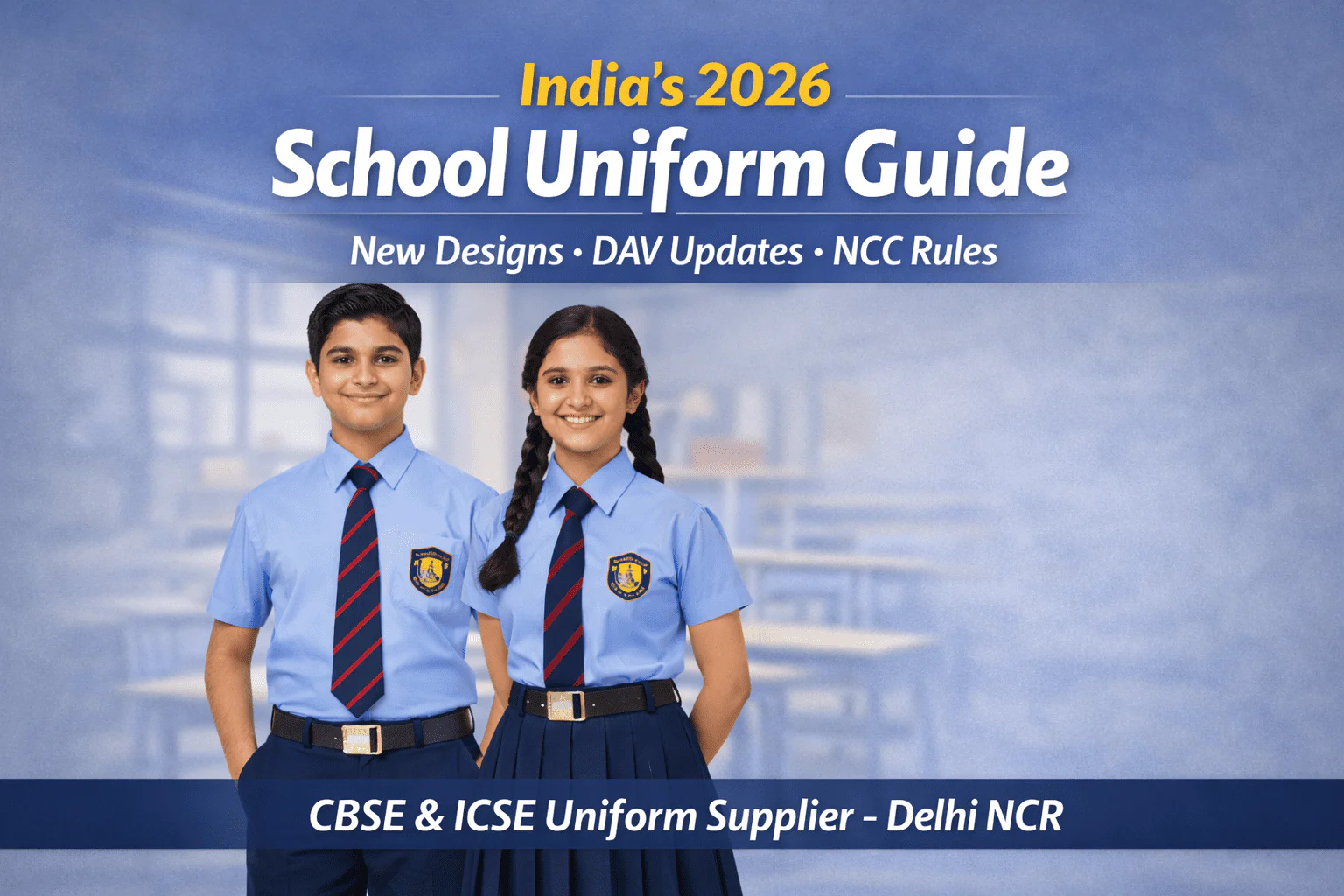
India 2026 School Uniform Guide explains the latest DAV redesigns, NCC dress-code updates, and state policy changes affecting CBSE and ICSE schools. As admissions approach, schools and parents need clear guidance on fabric choices, sample approvals, logo embroidery, and bulk-order timelines to ensure uniforms arrive on time.
Uniforms do more than match colours — they create a sense of belonging, speed up busy mornings and (when designed well) keep children comfortable and confident. In 2026, several policy proposals and school-level redesigns have put uniforms in the spotlight. This guide breaks down the policy headlines, school updates, NCC dress expectations, fabric and fit advice, and practical buying + care tips so parents, teachers, and school suppliers can act with confidence before admission season.
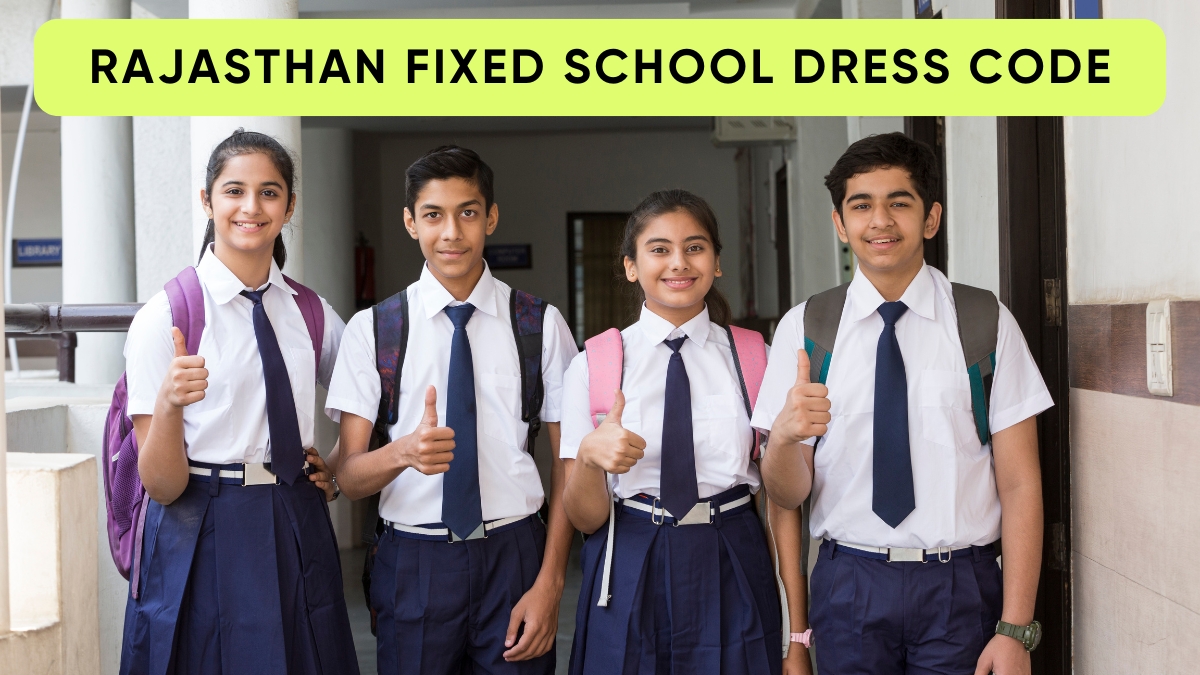
The Rajasthan government has proposed standardising school dress across some state schools — a move pitched as promoting equality and simplifying enforcement. Private schools and parent groups have raised questions about cost, identity and logistics. Because these discussions are ongoing, parents should rely on official circulars rather than social media reports.
What this could mean
Centralised procurement by districts or boards, which can change where and when uniforms must be bought.
Clearer colour and fabric codes that schools will publish in circulars (follow those exact codes before buying).
Possible phased rollouts — not every class or school will change overnight.
2) School redesigns: what to expect from DAV Public School and similar schools
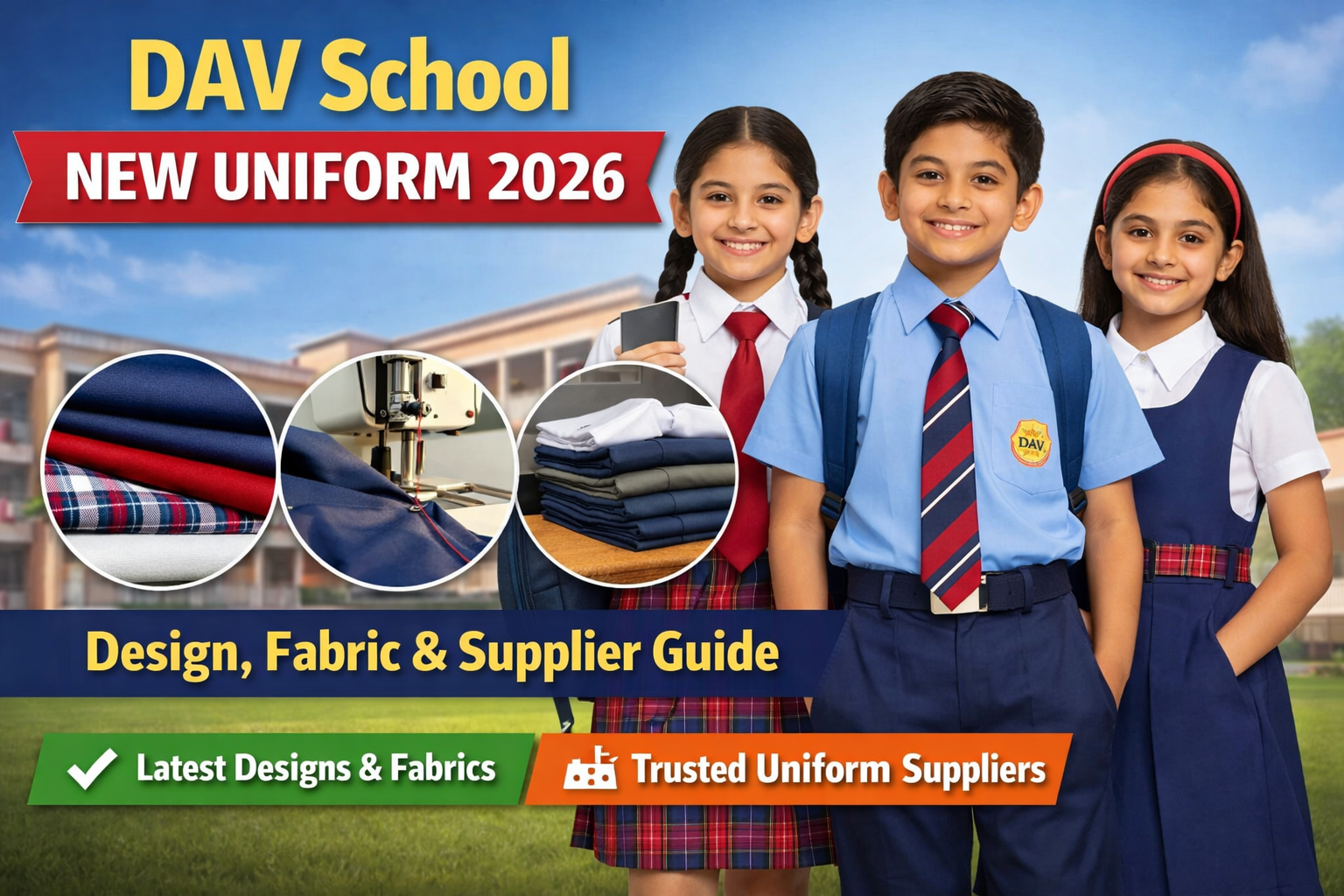
Several large school chains have issued updated uniform specs for 2026. Common themes: lighter, more breathable fabrics; updated cuts for better movement; stronger colour-fast finishes; and small practical tweaks (padded cold-weather layers, repositioned stripes, embroidered IDs).
Practical steps
Always check the school’s official PDF/circular before buying.
Confirm whether the new uniform is compulsory for all grades or only rolling out gradually.
Request sample swatches if the school provides them.
3) NCC uniform basics every cadet should follow — National Cadet Corps guidance
The NCC maintains strict dress standards for parade and camp — placement of insignia, beret fit, belt length and footwear polish are commonly inspected. Local units may add rules, but the official manual is the final reference for compliance.
Quick NCC checklist
Beret shaped correctly and belts adjusted to regulation length.
Name tapes stitched where required.
Shoes polished and uniform pressed before parades.
4) Fabric & fit — practical manufacturer guidance for Indian schools (2026)
Choose fabrics that balance breathability, durability, colour retention and laundry ease.
Cotton-rich blends (eg. cotton + polyester): Comfortable in heat, lower static than full polyester.
Polyester-viscose / poly-cotton blends: Durable, keep colour well and resist heavy creasing. Great for blazers and uniforms that need frequent pressing.
Higher GSM & tighter weaves: Use for blazers, ties and winter layers; lighter weaves for summer shirts and P.E. kits.
Fit tips
Allow roughly 5–10% growth room in trousers and shirts for the school year.
For P.E. kits choose elastic/flexible waistbands and reinforced stitching at stress points.
5) Where to buy & how to check quality — sourcing that reduces risk
Want to buy uniforms? Contact Essay Sports on WhatsApp to order school-approved uniforms, request swatches, confirm bulk pricing and check return policies.
Other sourcing tips:
Local shops/manufacturers can be economical — but always inspect swatches and stitching.
Coordinate PTA bulk orders for discounts, but insist on sample pieces for every size.
For embroidery/patches, require a placement proof sample before mass production.
I am a motivated and creative learner building my skills in graphic design, digital marketing, and WordPress website creation. I am seeking opportunities to apply my knowledge, gain real-world experience, and grow in a professional environment.
A school sports uniform is more than just a dress code. It brings identity, discipline, unity, and confidence to the entire team. A well-planned design... Continue reading
Essay Sports is one of the best school uniform manufacturer in Delhi NCR. Schools across Delhi NCR choose us for bulk uniform orders because we... Continue reading
Best Uniform Manufacturer in India – Personalized Uniforms for All Industry Essay Sports is one of the best uniform manufacturer in India, offering custom-made school,... Continue reading
Outfitting wards and clinics with the right nurse uniforms is a procurement decision that affects infection control, staff morale, brand identity and long-term cost of... Continue reading
A great school uniform combines identity, comfort and durability. Whether it’s the formal blazers of established institutions or the modern athleisure PE kits used by... Continue reading