
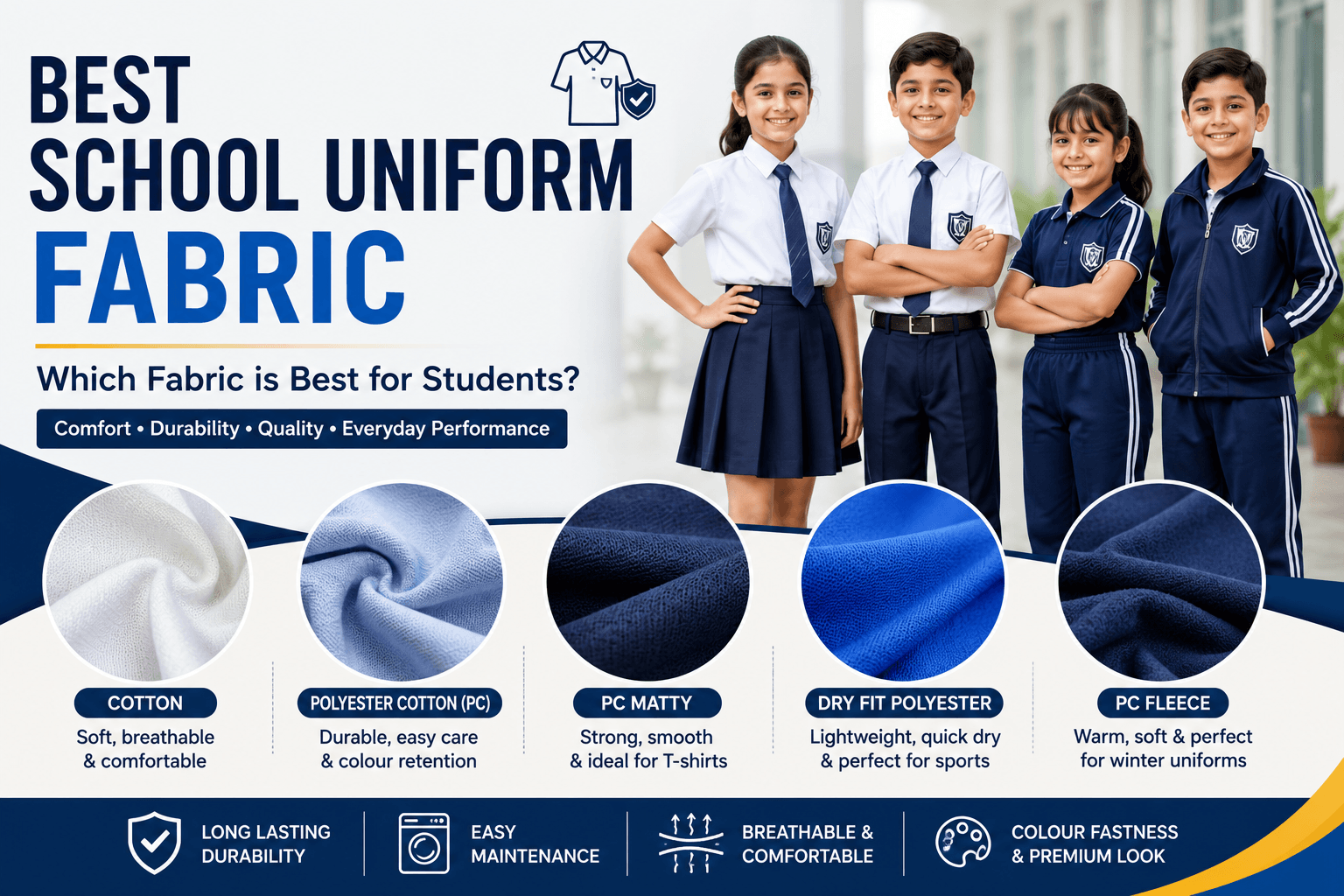
Best School Uniform Fabric: Which Fabric is Best for Students?
Complete Fabric Guide
Selecting the best fabric for school uniforms is not only about choosing a material that looks good. A school uniform is worn for 6–8 hours every day, washed frequently, and used throughout different seasons. The right fabric directly affects student comfort, uniform life, maintenance cost, and the overall appearance of the school.
A good school uniform fabric should maintain its shape, color, and fitting even after repeated washing. Schools should consider factors such as fabric composition, GSM, climate, student age group, activity level, and durability before finalizing uniform material.
Different fabrics serve different purposes. Cotton provides softness and breathability, polyester improves strength and color retention, while blended fabrics combine comfort and durability for everyday school use.
Why Choosing the Right School Uniform Fabric Matters
School uniforms experience more wear and tear compared to regular clothing. Students attend classes, participate in sports, travel, and perform daily activities while wearing the same uniform for long hours.
Choosing a quality fabric helps schools maintain a professional appearance and reduces frequent replacement requirements.
A good school uniform material should provide:
- Comfortable feel for long school hours
- Strong fabric structure for regular use
- Better color retention after washing
- Resistance against shrinking
- Easy ironing and maintenance
- Proper fitting across different sizes
Poor fabric selection may result in fading, shrinking, uncomfortable fitting, and reduced uniform life.
Cotton Fabric for School Uniforms
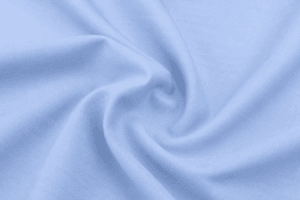
Cotton is one of the most widely used fabrics for school uniforms because of its softness and breathability.
In addition, its natural fibres allow better air circulation, making it comfortable during long school hours.
As a result, students remain more comfortable, especially during summer.
Advantages of Cotton School Uniform Fabric
Cotton uniforms offer:
- Soft and skin-friendly feel
- Better breathability
- Comfortable summer wear
- Natural fabric appearance
Limitations of Pure Cotton Uniforms
Although cotton is comfortable, 100% cotton may not always be practical for daily school usage because it can:
- Develop wrinkles faster
- Require regular ironing
- Shrink if not properly processed
- Take more drying time
Common Applications
Cotton fabrics are commonly used for:
- School shirts
- Nursery uniforms
- Primary school uniforms
- Summer uniforms
Recommended Fabric Specification:
Fabric Type: Cotton / Cotton Blend
GSM Range: 150–180 GSM
Best For: Regular classroom uniforms
Polyester Cotton (PC) Fabric for School Uniforms
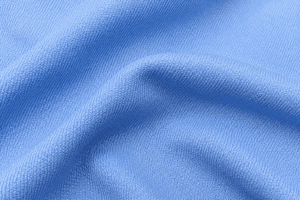
Polyester Cotton, commonly known as PC fabric, is one of the most preferred fabrics in school uniform manufacturing because it provides a balance between comfort and strength.
The polyester component improves durability, while cotton improves comfort, making it suitable for everyday student uniforms.
Benefits of Polyester Cotton Fabric
PC school uniform fabric provides:
- Better durability for daily wear
- Improved wrinkle resistance
- Faster drying compared to cotton
- Better color consistency
- Easy washing and maintenance
Common PC Fabric Ratios
Popular compositions include:
65% Polyester + 35% Cotton
Higher durability and easy maintenance
50% Polyester + 50% Cotton
Balanced comfort and strength
Used For:
- School shirts
- School trousers
- School skirts
- Daily uniforms
Recommended Specification:
Fabric Type: Polyester Cotton Blend
GSM Range: 200–250 GSM
Best For: Everyday school uniforms
PC Matty Fabric for School T-Shirts & House Uniforms
PC Matty fabric is commonly used for school T-shirts, house uniforms, and PE uniforms because of its strong structure and premium appearance.
The knitted texture provides better movement, making it suitable for active school activities.
Advantages of PC Matty Fabric
- Comfortable for movement
- Suitable for embroidery
- Good fabric strength
- Premium collar T-shirt appearance
- Better durability
Common Applications:
- School house T-shirts
- PE uniforms
- School sports uniforms
- Polo T-shirts
Recommended Specification:
Fabric Type: PC Matty
GSM Range: 220–240 GSM
Best For: School activity uniforms
Dry Fit Polyester Fabric for School Sports Uniforms
Sports uniforms require lightweight and performance-focused fabrics because students need better movement during physical activities.
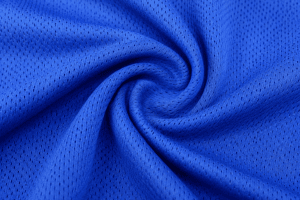
Dry-fit polyester fabric is commonly selected for sportswear because it manages moisture better and dries quickly.
Benefits of Dry Fit Sports Fabric
- Lightweight structure
- Quick drying performance
- Comfortable movement
- Easy maintenance
- Suitable for printing
Common Applications:
- Sports jerseys
- PE uniforms
- Training T-shirts
- Team uniforms
Recommended Specification:
Fabric Type: Polyester Dry Fit
GSM Range: 160–180 GSM
Best For: Sports activities
Fleece Fabric for Winter School Uniforms
Winter school uniforms require fabrics that provide warmth while maintaining comfort and durability.
Fleece fabrics are commonly used because they offer insulation and a soft inner feel suitable for colder seasons.

Common Applications:
- School tracksuits
- Hoodies
- Sweatshirts
- Winter jackets
Benefits:
- Warm and comfortable
- Soft inner surface
- Suitable for embroidery
- Durable for regular usage
Recommended Specification:
Fabric Type: PC Fleece
GSM Range: 280–350 GSM
Best For: Winter uniforms
School Uniform Fabric Comparison Chart
| Uniform Type | Recommended Fabric | GSM Range |
|---|---|---|
| School Shirt | Cotton / PC Blend | 150–180 GSM |
| School Trouser | Polyester Blend | 180–250 GSM |
| School Skirt | Polyester Blend | 180–250 GSM |
| School T-Shirt | PC Matty | 220–240 GSM |
| Sports Uniform | Dry Fit Polyester | 160–180 GSM |
| Tracksuit | PC Fleece | 280–350 GSM |
| Winter Jacket | Heavy Fleece | 300+ GSM |
| Blazer | Suiting Fabric | 300+ GSM |
How Schools Can Select the Best Uniform Fabric
Before selecting fabric, schools should evaluate:
- Local weather conditions
- Student age group
- Daily usage hours
- Washing frequency
- Required uniform life
- Comfort expectations
- Budget planning
For example, nursery students usually need softer and lighter fabrics, while sports uniforms need stretch, movement comfort, and quick drying properties.
Schools looking for additional information about textile standards and fabric quality can also refer to the Bureau of Indian Standards (BIS).
Final Recommendation: Which Fabric is Best for School Uniforms?
There is no single fabric that works perfectly for every school uniform. The best choice depends on the purpose of the uniform.
Polyester-cotton (PC) blended fabric is one of the most practical choices for re
gular daily uniforms, offering durability, comfort, and easy maintenance. Sports uniforms perform best with dry-fit polyester or PC Matty fabrics, as they provide better flexibility, breathability, and support during physical activities. During winter, fleece-based materials deliver excellent warmth, comfort, and long-lasting performance.
Choosing the right school uniform fabric helps schools maintain a consistent appearance, improve student comfort, and achieve better long-term value.
To learn more about textile fibres and sustainable fabric production, you can explore resources published by the Textile Exchange.
FAQs
Which fabric is best for school uniforms?
Polyester cotton(PC) blended fabric is one of the best choices for daily school uniforms because it balances comfort, durability, and easy maintenance.
What is the best GSM for school uniforms?
Most regular school uniforms range between 180–240 GSM, while sportswear and winter uniforms require different GSM levels depending on usage.
Which fabric is best for school sports uniforms?
PC Matty and dry-fit polyester fabrics are commonly used because they provide comfort, movement flexibility, and durability.
Which fabric is suitable for winter school uniforms?
PC fleece fabrics between 280–350 GSM are commonly preferred for school tracksuits, sweatshirts, and hoodies.