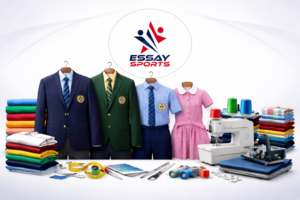

School uniform remains one of the most debated topics among parents, principals, and students in India — especially in 2026 as priorities shift toward comfort, durability, and cost. In this guide, you’ll find the real pros and cons of school uniform, 12 modern and durable uniform designs suited for Indian schools, fabric recommendations, and a procurement checklist that helps schools avoid late deliveries and poor-quality batches.
Quick snapshot: Why the uniform debate matters in 2026
Larger student populations and cost sensitivity mean procurement teams want durability and predictable lead times.
Parents want comfort — especially for summer and monsoon months — without repeated replacement costs.
Schools want identity and discipline, but also fewer uniform-related complaints and administrative overhead.
If you get the fabric, fit, and supplier process right, uniforms stop being a recurring headache and become an asset: neat look, stronger brand, and happier parents.
Pros of school uniforms (what works)
Stronger school identity and discipline. Uniforms create a shared visual identity and reduce visible economic differences.
Simplified morning routines. Less stress for students and parents deciding what to wear daily.
Bulk-cost savings. Schools negotiating bulk contracts can lower per-unit costs and standardize replacements.
Easier enforcement of the dress code. Clear rules reduce disputes and teacher workload.
Safety & identification. Uniforms help school staff spot students quickly during trips or emergencies.
Cons of school uniforms (what to watch for)
Comfort and climate mismatch. Heavy fabrics or poor cuts cause heat stress in summer — a common complaint in many regions.
Sizing & fit issues. One-size approaches fail growing students; poor size charts lead to returns and extra costs.
Initial outlay for parents. Even when cheaper over time, upfront costs (especially for multiple uniforms) can be a burden.
Expression concerns. Students may feel restricted if uniforms are overly rigid or gendered without options.
Poor supplier management. Late deliveries, mismatched embroidery, and quality drift are frequent failures — avoidable with the right process.
How uniforms have evolved (practical changes that matter)
Design trends aren’t about fashion statements so much as better performance:
Breathable blends that balance comfort and durability (cotton-poly blends with anti-pilling finishes).
Wash-and-wear fabrics with better colourfastness for repeated school laundry cycles.
Smart sizing systems (grouped size bands and clear size charts) to reduce returns.
Inclusive designs: modest cuts, tunic options, and gender-neutral PE kits.
Layered systems: summer kit + sweater/vest for winter months in cooler regions.
12 Modern, Durable Uniform Designs for Indian Schools
Below are practical, region-aware design ideas grouped by school level and use. Each line includes a fabric recommendation and why it works.
Primary (comfort-first)
Breathable Polo + Soft Knit Shorts — 60% cotton / 40% polyester, 180–220 GSM. Easy to wash, soft on the skin.
Quick-dry T-shirt + Track Shorts (Monsoon-friendly) — polyester-cotton blend, fast-drying finish to prevent mildew.
Lightweight Tunic + Leggings (Girls) — cotton-blend tunic (pre-shrunk) with elastic waist leggings for play.
Secondary (structured + comfortable)
Half-sleeve Shirt + Chino Trousers (Boys) — cotton-rich blend, stain-resistant finish for classroom durability.
Pleated Skirt or Culottes + Blouse (Girls) — durable twill skirt, modest length, easy movement.
Smart Blazer Alternative (All) — thin, wool-blend or polyester option for ceremonies and winters.
Senior / Formal
Formal Shirt + Trousers + Lightweight Blazer — breathable suiting fabric for senior students; layered for winter.
Business-style Kurta + Trousers (Girls option) — formal-looking, comfortable, culturally appropriate.
Sports & PE
Moisture-wicking Jersey + Mesh Shorts (PE kit) — keeps students dry and is low maintenance.
All-weather Track Suit — water-resistant outer shell + inner fleece for hilly/coastal schools.
Teacher / Staff
Teacher Kurta / Blouse with Easy-care Fabric — smart, practical, and saree-friendly blouse fabrics where required.
Hijab-friendly Tunic Set — long tunic, breathable fabric, extended hems for inclusivity.
Fabric rules for Indian conditions — what to insist on
Breathability: Prioritise cotton content where possible for summer schools.
GSM balance: 180–240 GSM is a good range — durable without being heavy.
Colorfastness: Demand AATCC or equivalent wash-fastness tests if feasible.
Anti-pilling & anti-shrink finishes: Cuts replacement costs.
Reinforced stress points: Double-stitched seams at cuffs, collars, and pockets for longevity.
Easy-care: Fewer ironing requirements lower long-term maintenance for parents.
Buying strategy schools should use (avoid the usual supplier traps)
Design finalisation — freeze colours, trims, crest size, and placements.
Size confirmation — run a sample size chart check with a small group of students.
Sampling — request a production sample with embroidery to check colour and crest accuracy.
Minimum order & lead time — define clear timelines in the purchase order (PO).
Quality acceptance testing — inspect stitching, seams, and wash a sample to confirm colourfastness.
Delivery & replacement policy — include short-term replacement clauses for faulty units.
A simple one-page checklist for procurement teams is invaluable — embed it into school contracts.
Cost vs. durability — the smart view
Cheaper fabrics may look good for a term, but cost more over two years. Calculate cost-per-wear rather than per-unit price: a slightly higher per-unit cost for a uniform that survives two school years will often be cheaper in the long run.
5 FAQs parents & admins ask
Q: How many sets should a child need?
A: Minimum two daily sets + one PE kit + one formal kit; in monsoon areas, consider three.
Q: How long should a uniform last?
A: Aim for 18–24 months under normal wear with proper care.
Q: Can uniforms be gender-neutral?
A: Yes — many schools now offer tunics, culottes, or trousers as interchangeable options.
Q: What should we do if shipments are late?
A: Always include penalty clauses and staggered delivery milestones in the contract.
Q: How to manage crest/logo placement?
A: Define exact embroidery specs (stitch count, thread type, placement measurement) in the PO.
Final verdict: Are school uniforms worth it in 2026?
Short answer: Yes — if you treat uniforms as a small but strategic procurement decision. When a school chooses climate-appropriate fabrics, enforces quality checks, and works with reliable suppliers who handle bulk orders and sampling, uniforms deliver identity, simplicity, and long-term cost savings.
Ready-to-use checklist
Want the one-page procurement checklist and a free fabric swatch pack? Contact Essay Sports — WhatsApp +91-92172 95027 or visit essaysports.com to request a sample pack and pricing. (Include your school name, approximate student count, and preferred delivery month.)